
Latest in Clinical Nutrition: Volume 18
The “volumes” refer to a series of DVDs (now digital only) upon which NutritionFacts.org is based (all proceeds donated to charity). The DVDs give folks the opportunity to sneak preview videos months ahead of time, watch them all straight through, and share as gifts, but there’s nothing on the DVDs that won’t eventually end up online free at NutritionFacts.org. You can also buy the DVD as a download in full now!
Volume 18 is the thirteenth NutritionFacts.org DVD covering the peer-reviewed scientific nutrition literature published between spring 2011 and spring 2014. For more information about Volume 18 click here.

A systematic review finds no evidence to support the notion that people should choose diets...
A bacteria discovered on Easter Island may hold the key to the proverbial fountain of...
The lifespan extension associated with dietary restriction may be due less to a reduction in...
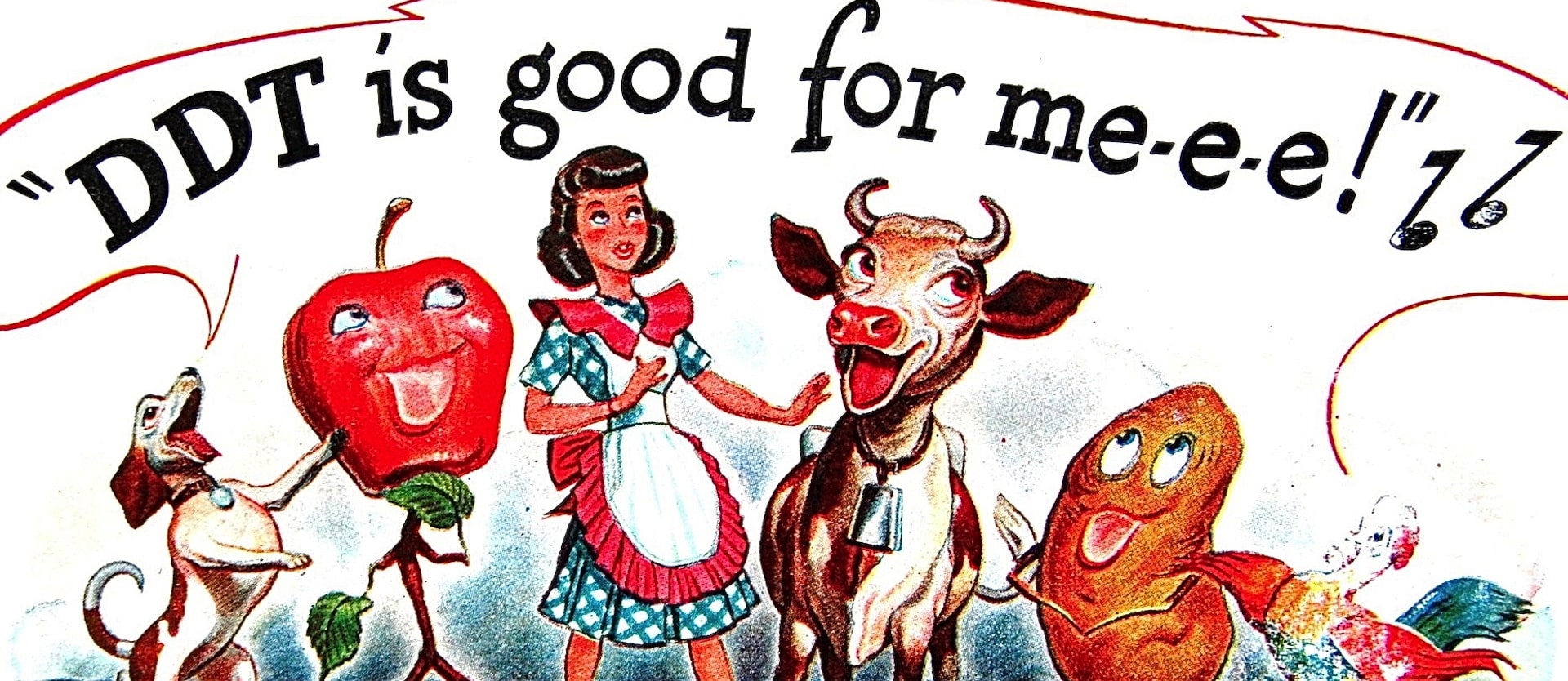
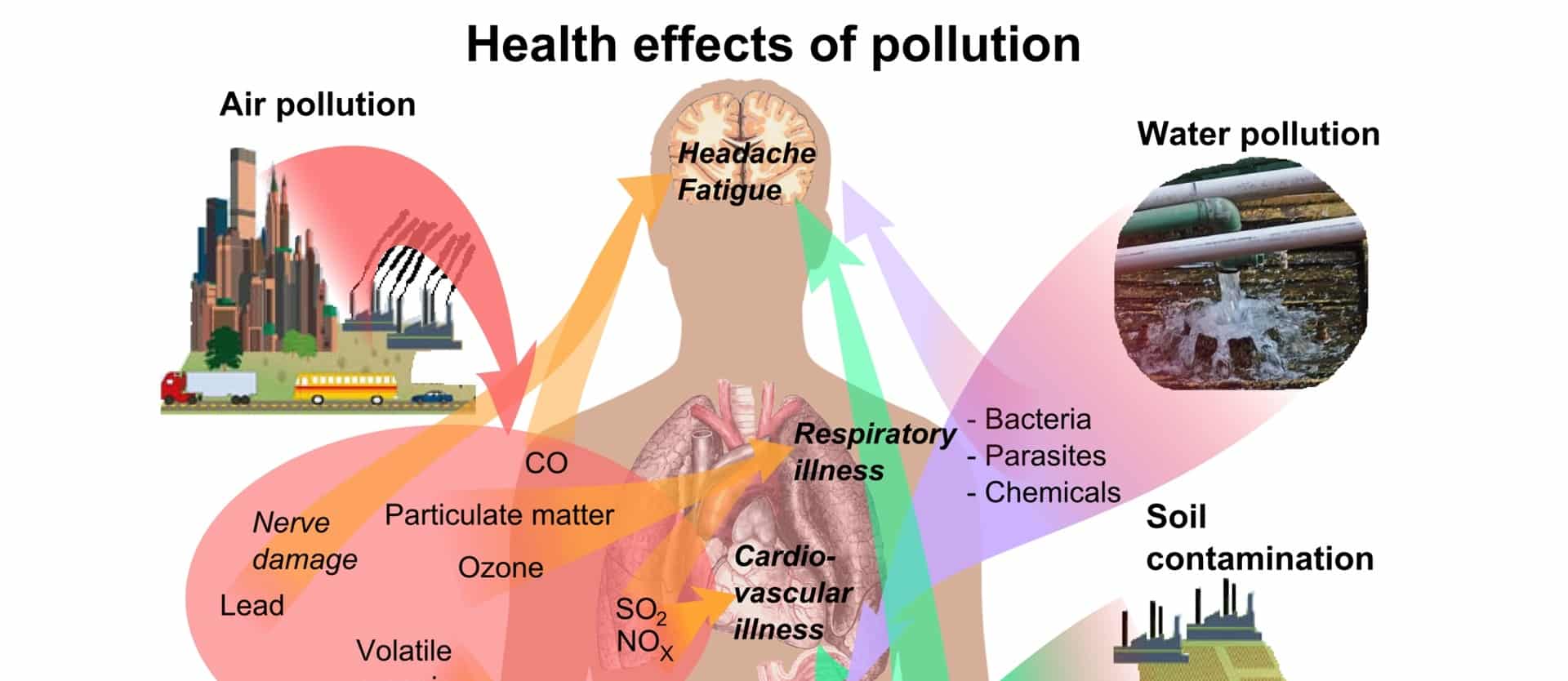
The levels of arsenic, banned pesticides, and dioxins exceeded cancer benchmarks in each of the...
Arsenic-containing drugs intentionally added to poultry feed to reduce the parasite burden and pinken the...
What if billions in tax dollars were invested in healthier options, rather than given to...
A study involving more than a million kids suggests the striking worldwide variation in childhood...
Increasing fruit and vegetable consumption to seven servings a day appears to cut asthma exacerbation...
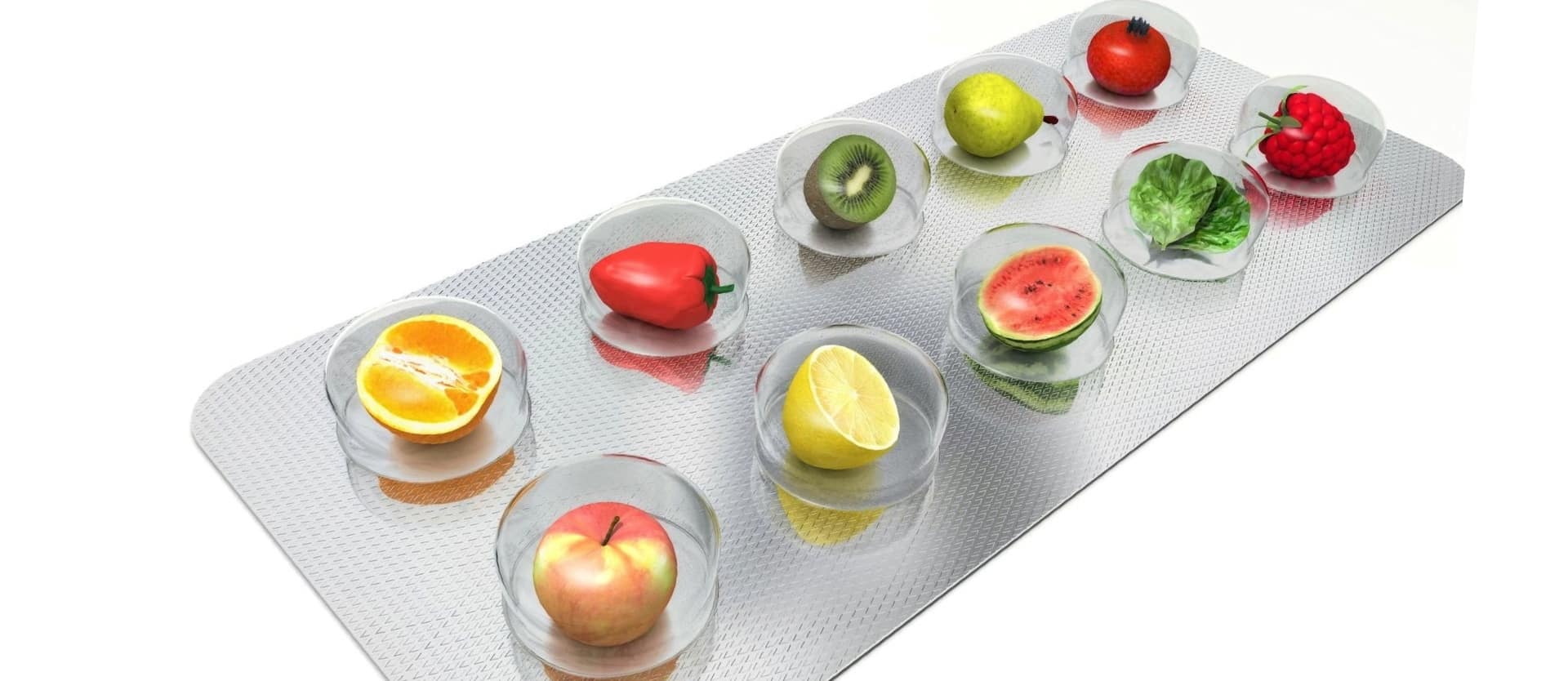
Whole fruits and vegetables were compared to both antioxidant pills, as well as supplements containing...
Pilot studies on treating allergic eczema and severe asthma with dietary interventions have shown remarkable...
Cholesterol appears to stimulate the growth of human breast cancer cells—which may explain why phytosterol-rich...
Reducing cholesterol levels may inhibit breast cancer development, but the long-term use of cholesterol-lowering statin...
The association between cancer and the consumption of deep-fried foods may be due to carcinogens...
The relationship between fish consumption and diabetes risk may be due to toxic pollutants that...
Industrial pollutants that build up in our own body fat may help explain the link...
Farmed Atlantic salmon, the kind of salmon most commonly found in restaurants and supermarkets, may...
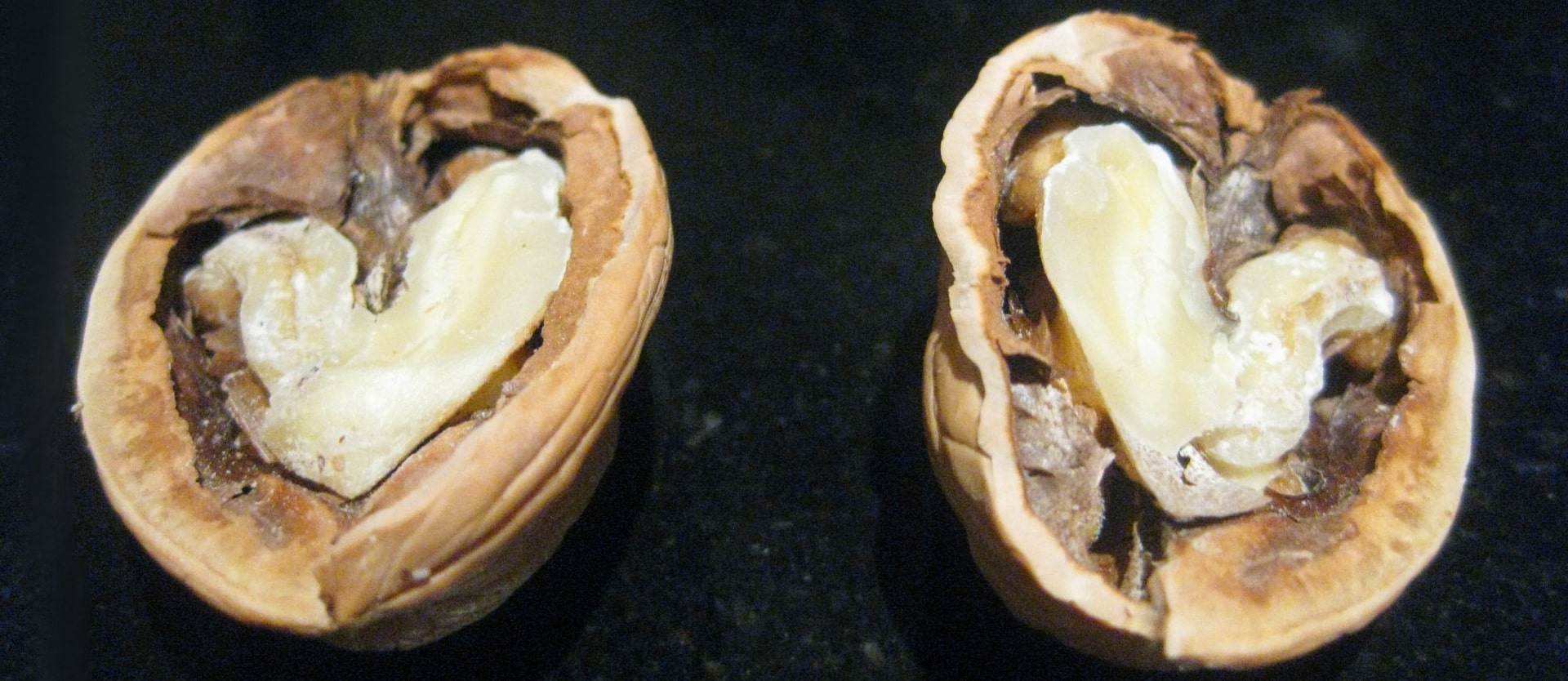
Not eating walnuts may double our risk of dying from heart disease (compared to at...
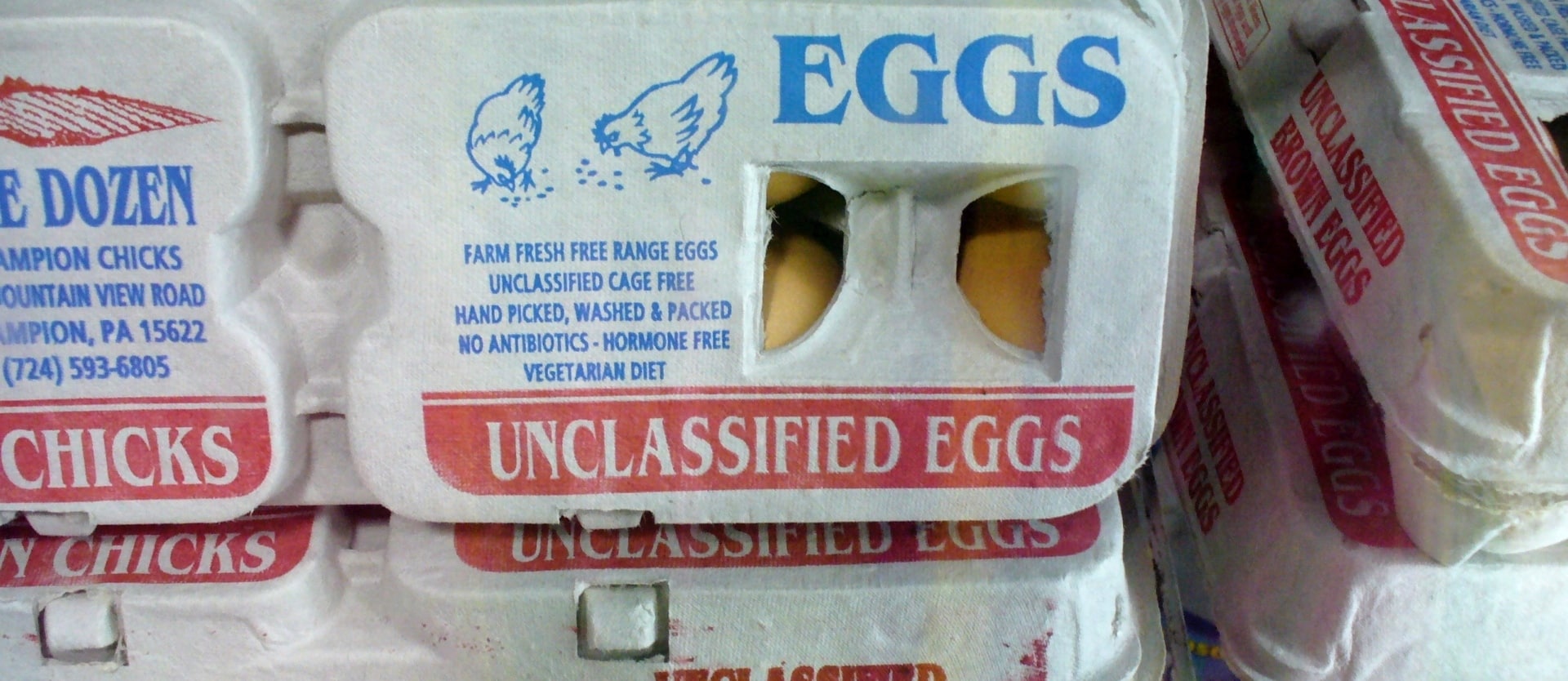
The latest meta-analysis of studies on egg consumption and heart disease risk found that even...
Even studies funded by the American Egg Board show our arteries benefit from not eating...
Our immune response against a foreign molecule present in animal products may play a role...
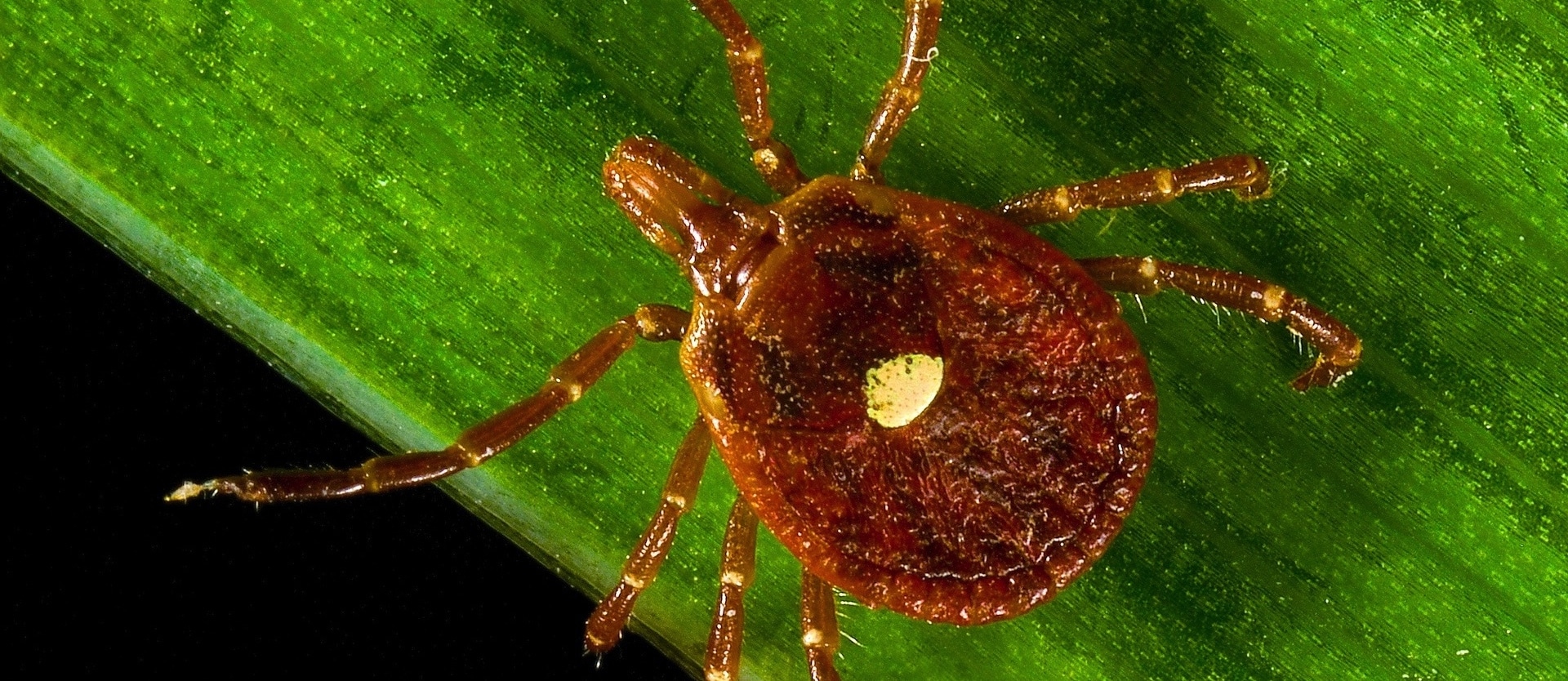
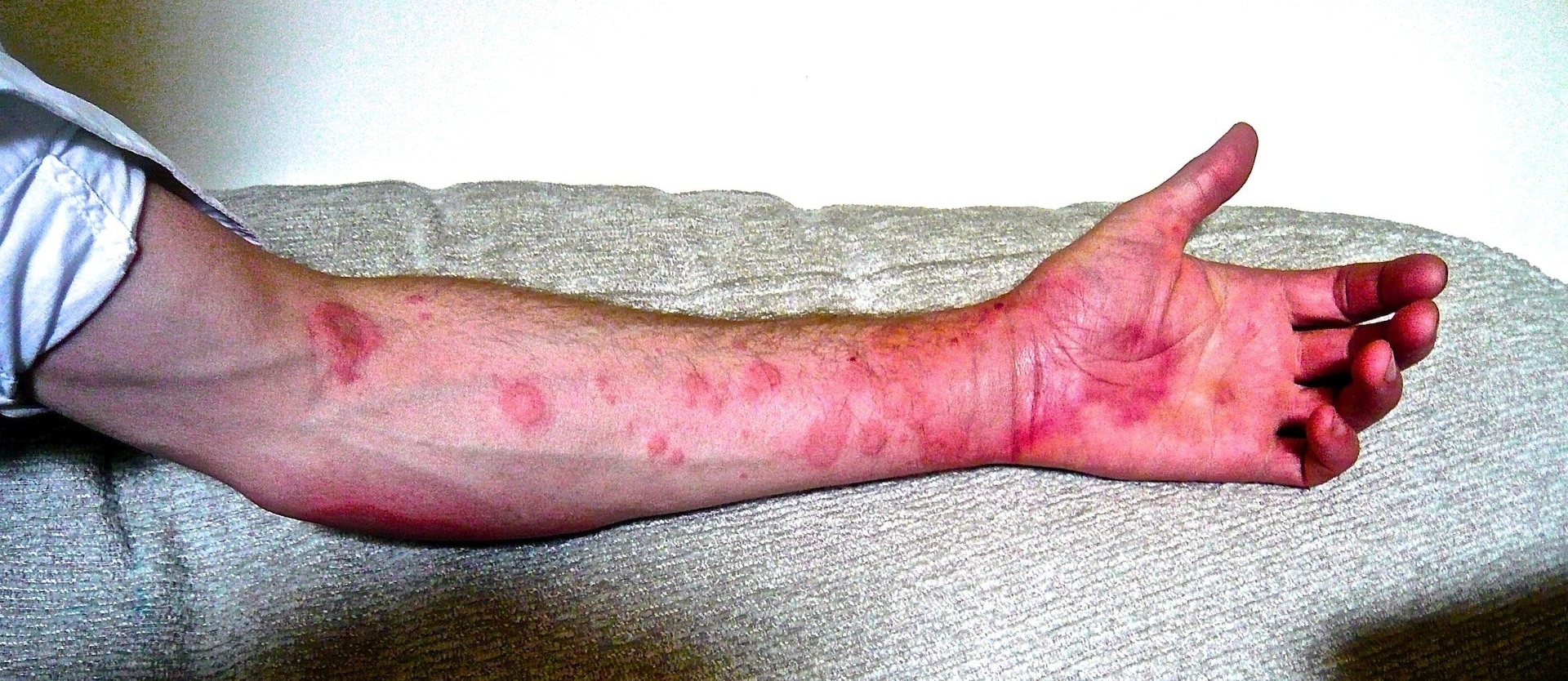
The rising incidence of tick-bite induced meat allergies may account for cases of previously unexplained...
Plants and animals share similar biochemical pathways and signaling systems, which may explain why so...
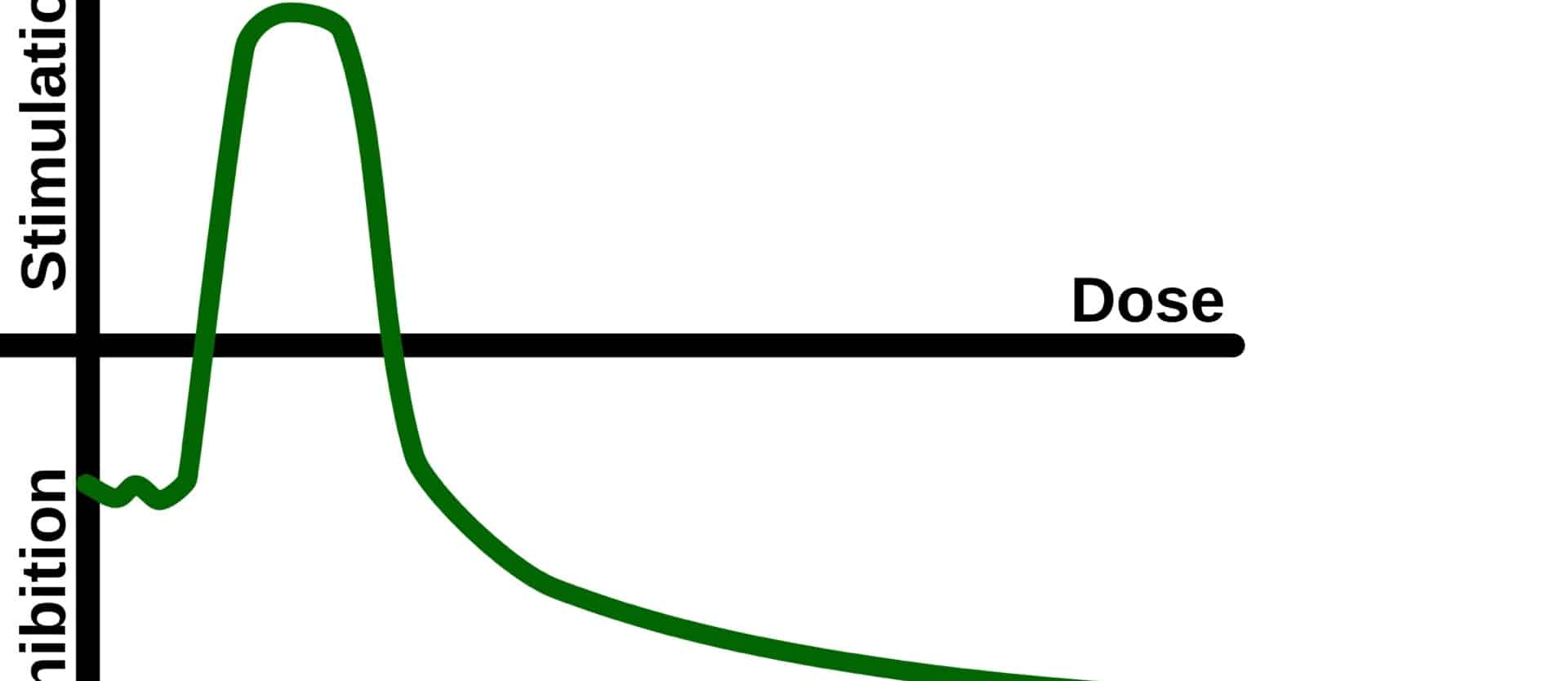
A new concept in biology tries to explain why the consumption of certain natural compounds...
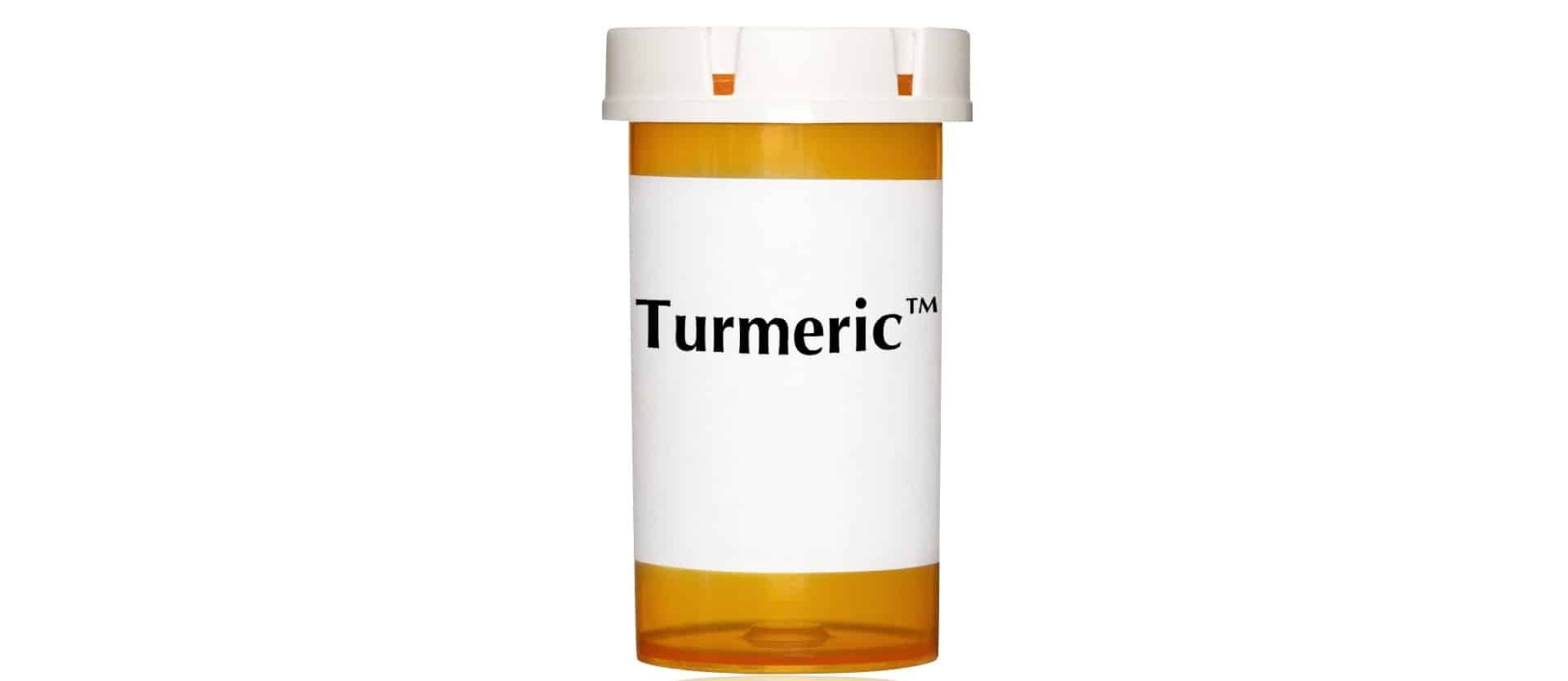
Barriers to patent natural commodities, such as the spice turmeric, keeps prices low—but if no...
The pharmaceutical industry is starting to shift away from designing single target drugs to trying...
The first study to gauge how much longer we live based on the number of...