
 ES

Latest in Clinical Nutrition: Volume 32
The “volumes” refer to a series of DVDs (now digital only) upon which NutritionFacts.org is based (all proceeds donated to this charity). The DVDs give folks the opportunity to sneak preview videos months ahead of time, watch them all straight through, and share as gifts, but there’s nothing on the DVDs that won’t eventually end up online free at NutritionFacts.org. You can also buy the DVD as a download in full! Volume 32 is the twenty-seventh NutritionFacts.org DVD covering the peer-reviewed scientific nutrition literature published between Spring 2011 and Fall 2016. For more information about Volume 32 click here.
How to Avoid the Obesity-Related Plastic Chemical BPA
Maternal Diet May Affect Stress Responses in Children
Why Is Nutrition So Commercialized?
Could Lactose Explain the Milk and Parkinson’s Disease Link?
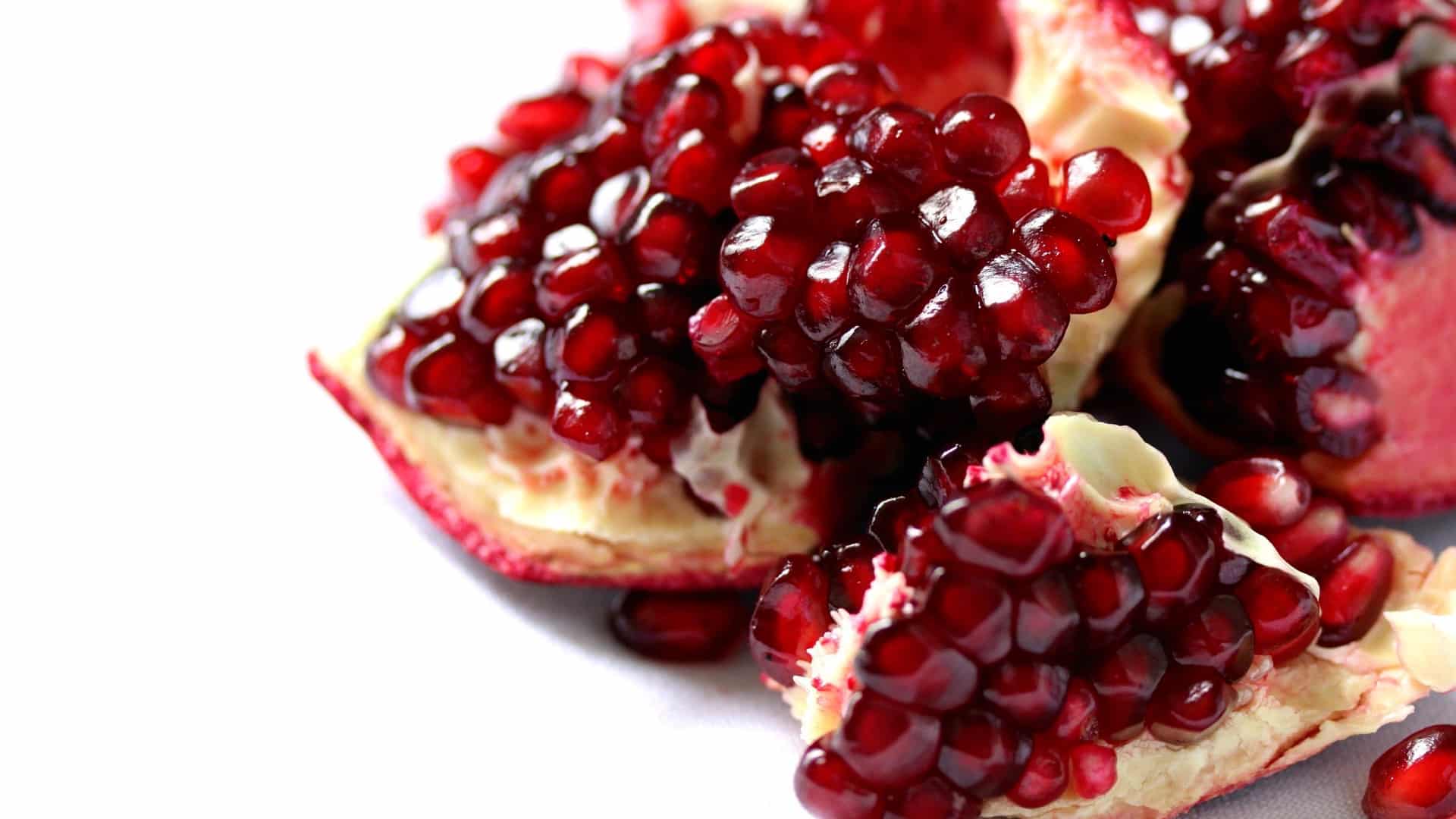
Pomegranate vs. Placebo for Prostate Cancer

Ginger for Nausea, Menstrual Cramps, and Irritable Bowel Syndrome

Animal Protein Compared to Cigarette Smoking
Increasing Protein Intake After Age 65
Disclosing Conflicts of Interest in Medical Research

Eliminating Conflicts of Interest in Medical Research
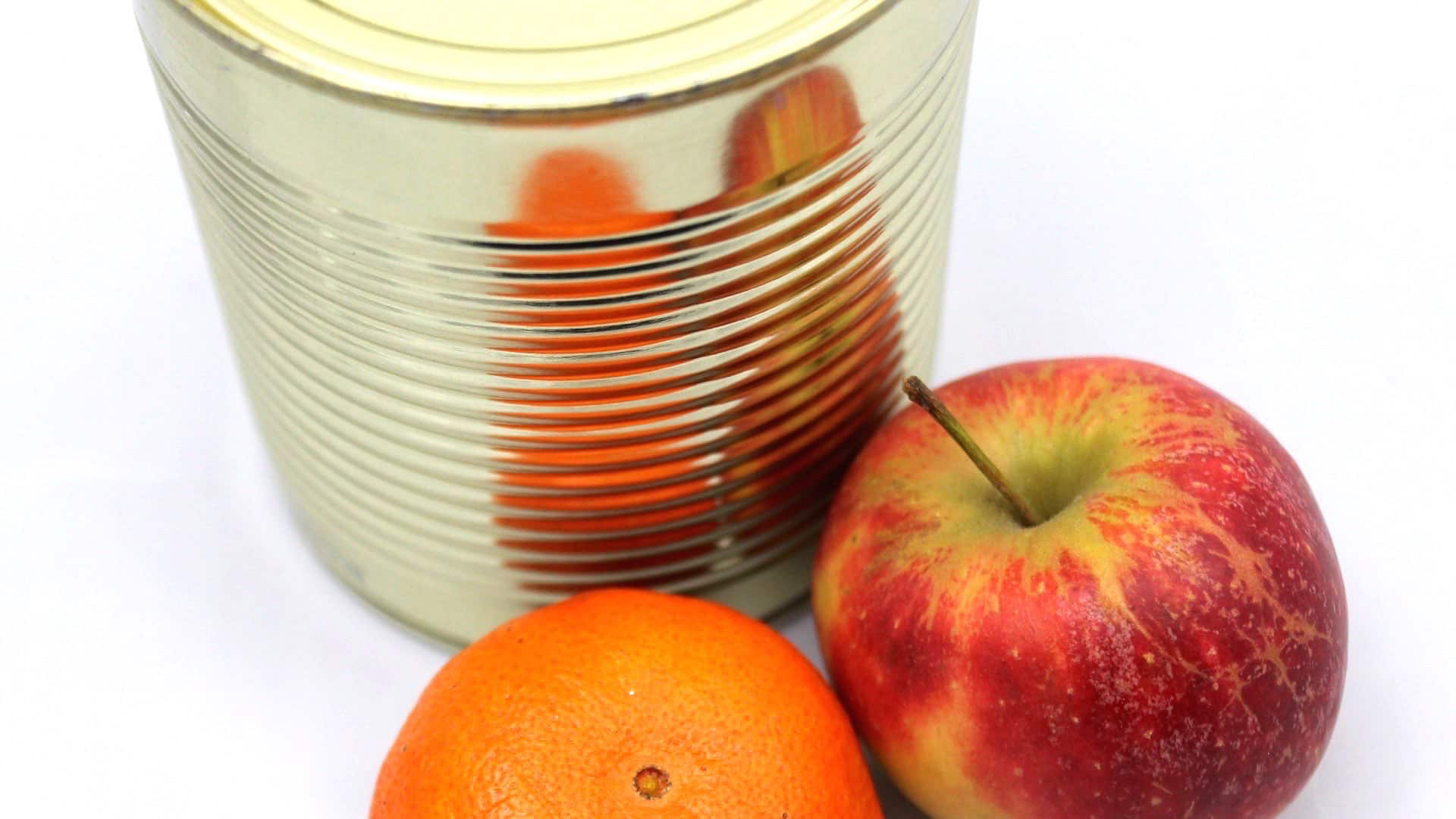
Is Canned Fruit as Healthy?
Paleo Diet Studies Show Benefits

Iodine Supplements Before, During, and After Pregnancy
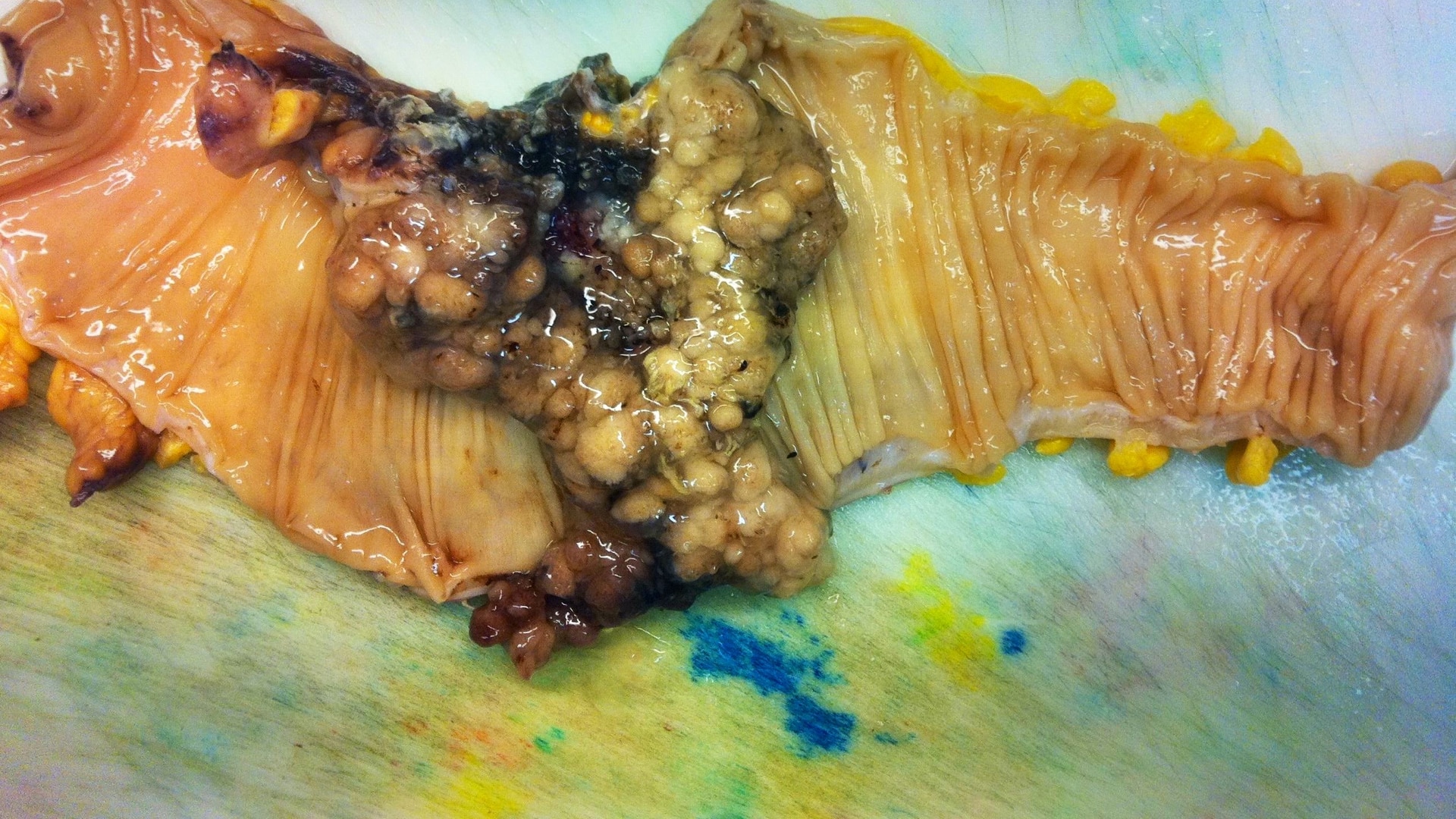
Resistant Starch and Colon Cancer
Getting Starch to Take the Path of Most Resistance
How Did Doctors Not Know About the Risks of Hormone Therapy?

Should We Take DHA Supplements to Boost Brain Function?
How Not to Die from Heart Disease

Should Vegans Take DHA to Preserve Brain Function?
How Not to Die from Cancer
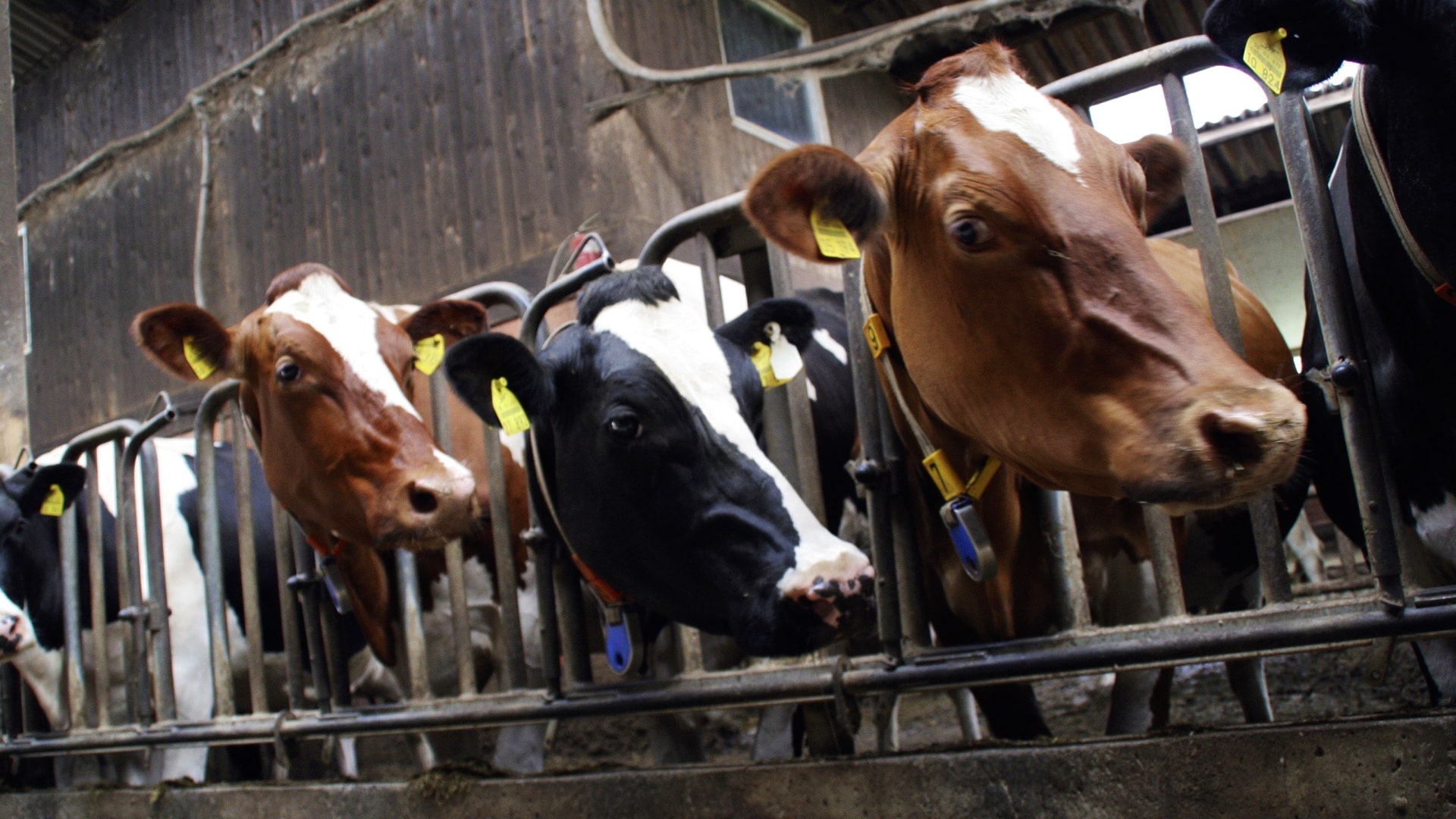
Is Bovine Leukemia Virus in Milk Infectious?
How Not to Die from Diabetes
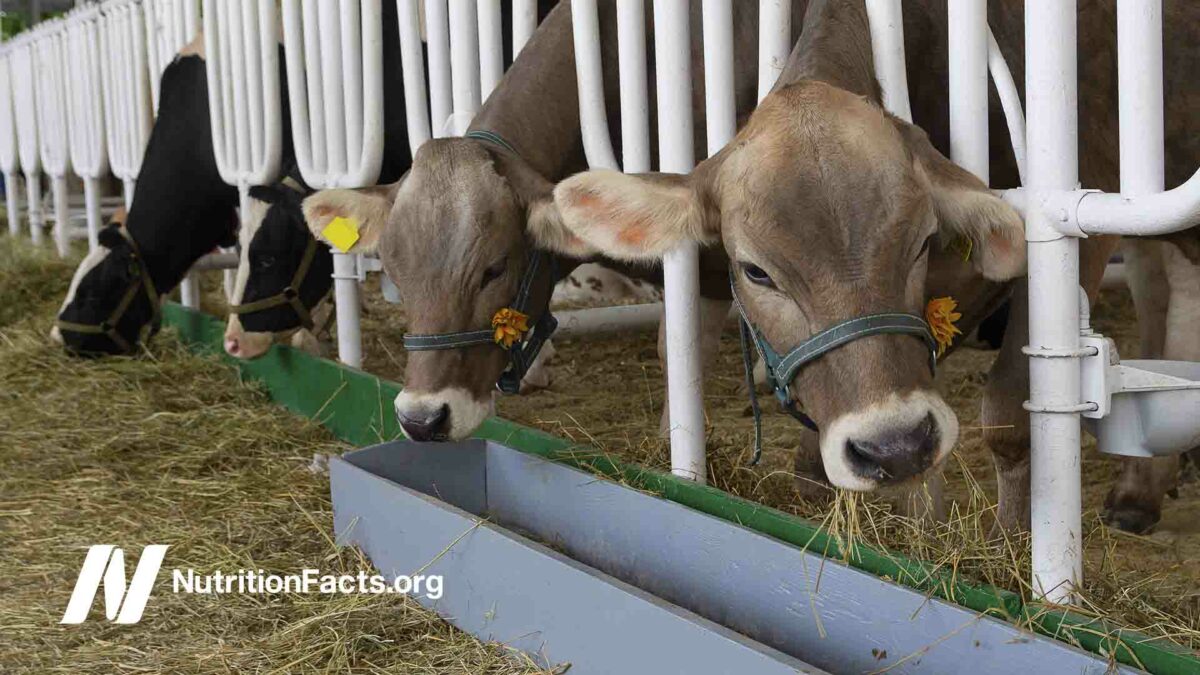
The Role of Bovine Leukemia Virus in Breast Cancer
How Not to Die from Kidney Disease
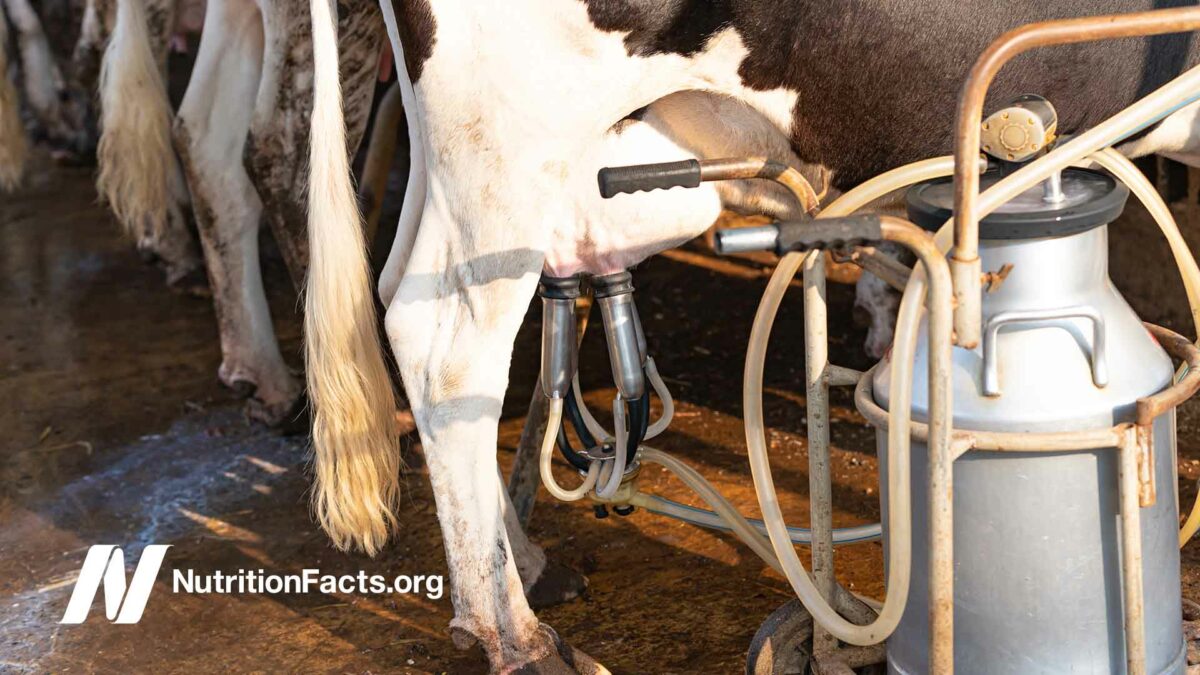
Industry Response to Bovine Leukemia Virus in Breast Cancer
How Not to Die from High Blood Pressure
Do Vitamin D Supplements Reduce the Risk of Dying from Cancer?
What Is the Healthiest Diet?
Big Salt – Getting to the Meat of the Matter
How Not to Die: An Animated Summary
Animal Protein, Pregnancy, and Childhood Obesity

Spin Doctors: How the Media Reports on Medicine